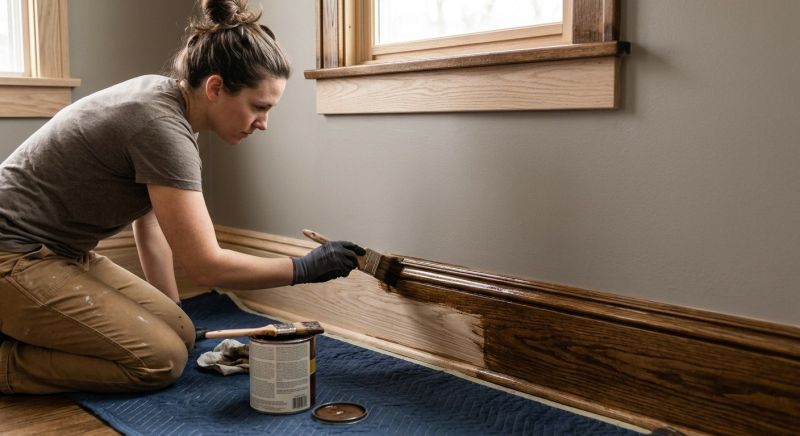
Interior Trim Staining in Wilmington, NC
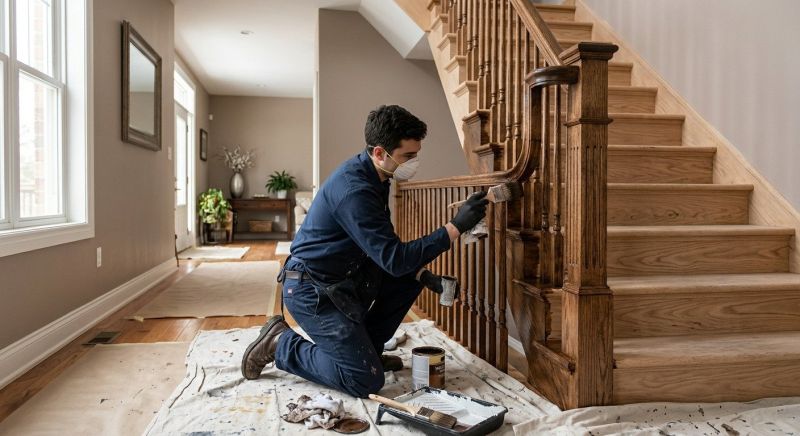
Interior trim staining services involve applying a durable stain to woodwork such as baseboards, crown molding, door casings, and window frames to enhance their appearance and protect the material. This process is often used during renovations or new construction projects to achieve a consistent, polished look that complements the overall interior design. Homeowners typically request this service to update or refresh existing wood trim, match new installations to older woodwork, or add a decorative touch that highlights the natural grain and character of the wood.
Before requesting interior trim staining, property owners should consider the type of wood and finish currently present, as well as the desired color or tone. It is also helpful to understand the differences between staining and painting, including how stains can enhance the wood’s natural features while providing protection. Additionally, clarifying the scope of the project-such as which areas require staining and whether any surface preparation or sealing is needed-can ensure expectations are aligned and the final result meets the aesthetic goals of the space.
Many property owners in Wilmington, NC look into Interior Trim Staining for repairs, replacements, upgrades, and appearance-related improvements.

Enhancing Interior Woodwork
Staining services can refresh and enrich the appearance of interior trim, molding, and built-ins in homes across wilmington, nc.
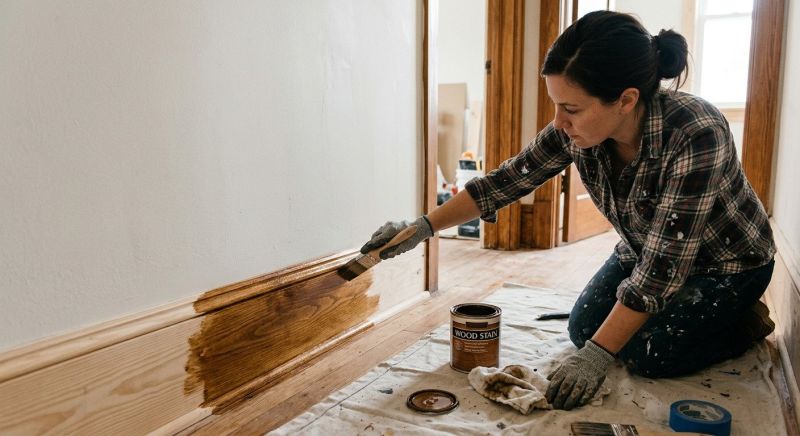
Custom Color Finishes
Property owners often choose staining to achieve a specific color or tone that complements their interior decor.
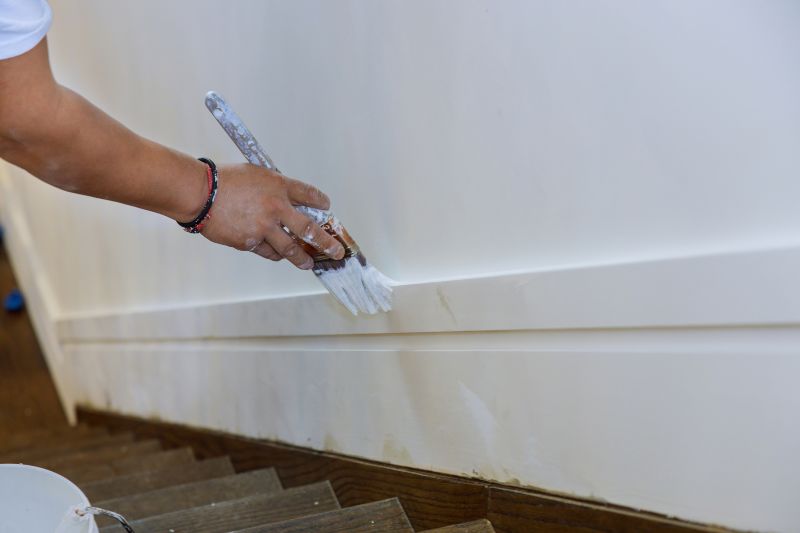
Protecting And Preserving Surfaces
Staining helps protect interior wood surfaces from wear and tear while highlighting their natural beauty.
Interior Trim Staining in Wilmington, NC

Interior trim staining services involve applying a durable stain to woodwork such as baseboards, crown molding, door casings, and window frames to enhance their appearance and protect the material. This process is often used during renovations or new construction projects to achieve a consistent, polished look that complements the overall interior design. Homeowners typically request this service to update or refresh existing wood trim, match new installations to older woodwork, or add a decorative touch that highlights the natural grain and character of the wood.
Before requesting interior trim staining, property owners should consider the type of wood and finish currently present, as well as the desired color or tone. It is also helpful to understand the differences between staining and painting, including how stains can enhance the wood’s natural features while providing protection. Additionally, clarifying the scope of the project-such as which areas require staining and whether any surface preparation or sealing is needed-can ensure expectations are aligned and the final result meets the aesthetic goals of the space.
Many property owners in Wilmington, NC look into Interior Trim Staining for repairs, replacements, upgrades, and appearance-related improvements.
Common Interior Trim Staining Jobs
Interior trim staining involves refreshing or changing the color of wood trim, moldings, and baseboards.
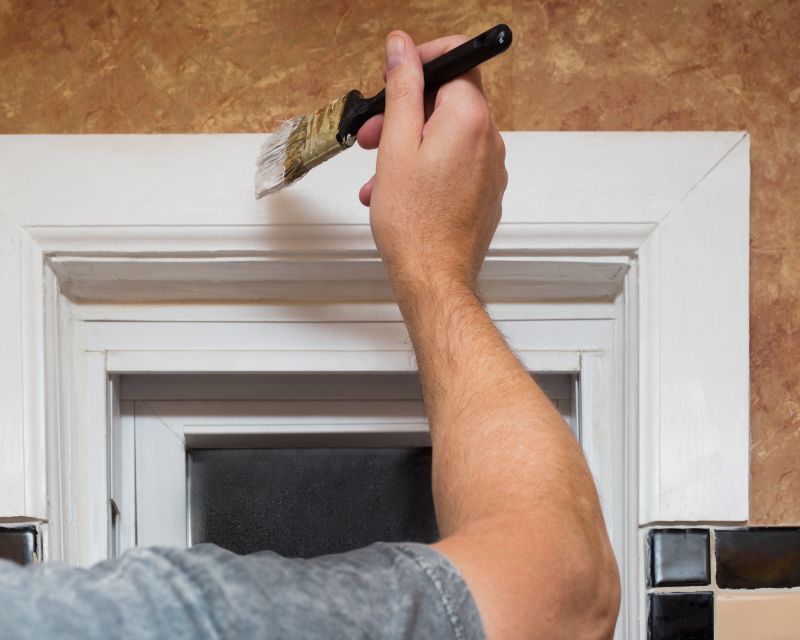
Door and window casings can be stained to match or complement existing interior finishes.
Crown molding and decorative trim can be revitalized with a new stain for a polished look.
Wooden built-ins and shelving are often stained to enhance natural grain and warmth.
Staining services help restore the appearance of aged or faded woodwork.
Custom stain colors can be applied to achieve specific aesthetic preferences.
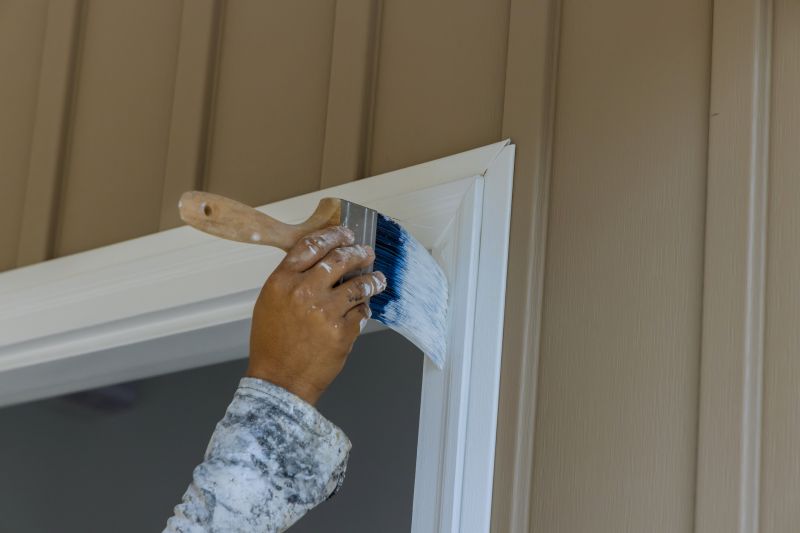
Interior Trim Staining Questions
What types of interior trim can be stained? Interior trim staining typically includes baseboards, crown molding, door and window casings, and wainscoting to enhance their appearance and match interior decor.
How does staining differ from painting on interior trim? Staining highlights the natural wood grain and adds color without covering the surface, whereas painting provides a solid color finish over the trim.
Is staining suitable for all types of wood trim? Staining generally works well on most wood types, especially those with a smooth surface, but some woods may absorb stain differently, affecting the final look.
What should property owners consider before staining interior trim? It's important to choose the right stain color and finish, and to ensure the surface is properly prepared for an even and durable result.
Request Interior Trim Staining in Wilmington, NC
Use the quote form on this page to share the basics of your project and request more information for the type of work you need.